
Beyond the Salon Glow : Are Medifacials the Smarter Choice?
For many people, a “facial” still means a monthly appointment at their neighbourhood salon. Yet in recent years, advanced facials performed in dermatology centres and medical aesthetic setups—commonly referred to as medifacials—have surged in popularity. This shift has been driven by scientific innovation, increased awareness, and a growing preference for results-oriented skincare.
So what truly makes a medifacial different? And is it worth choosing over a generic salon facial?
What Makes Medifacials the Go-To Choice Today
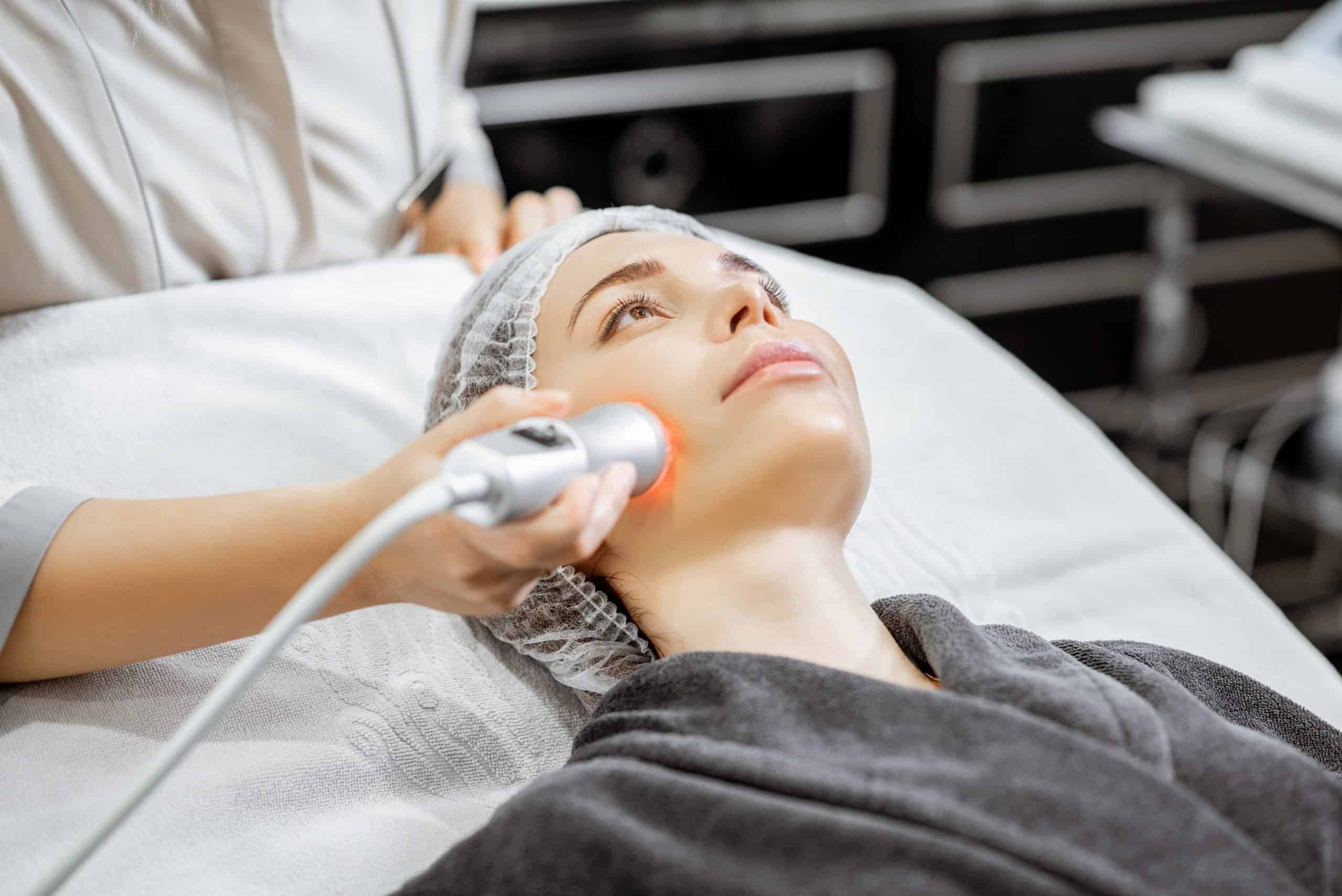
Medifacials are increasingly preferred because they combine evidence-based ingredients, controlled exfoliation techniques, and device-assisted delivery systems that act on deeper skin layers. As consumers seek treatments that correct issues such as pigmentation, inflammation, congestion, dehydration, and early ageing, medifacials offer predictable, measurable outcomes that traditional salon facials cannot achieve. Their customised protocols, higher-quality actives, and professional supervision ensure both safety and efficacy—making medifacials a logical choice for individuals who want scientifically driven, long-term skin improvement rather than temporary surface-level results.
Medifacial vs. Salon Facial: Understanding the Difference
1. Expertise Behind the Treatment
- Medifacials are developed and supervised by trained skincare professionals who evaluate the skin’s biology, existing concerns, and tolerance levels. This allows a level of customisation that generic salon facials simply cannot replicate. Issues like acne, pigmentation, sun damage, melasma, sensitivity, and early ageing signs receive dedicated attention through scientifically backed procedures.
- Salon facials, on the other hand, follow standardised routines that mainly focus on relaxation and momentary glow.
2. Depth and Strength of Action
Medifacials
- Work on deeper skin layers
- Use medical-grade ingredients or technologies
- Improve texture, clarity, hydration, and elasticity
- Promote long-term improvement with cumulative benefits
Salon Facials
- Target only the superficial skin layer
- Offer temporary brightness and relaxation
- May use fragranced or harsh exfoliants not suitable for sensitive skin
3. Customisation and Targeted Care
Since medifacials are chosen based on skin type—oily, sensitive, acne-prone, dehydrated—they support precise correction rather than general maintenance. Treatments may include controlled exfoliation, antioxidant infusions, deep hydration, lymphatic stimulation, collagen support, and barrier-repair elements.
Generic salon facials rarely offer this level of tailored care.
Where Dermeda Treatments Fit In
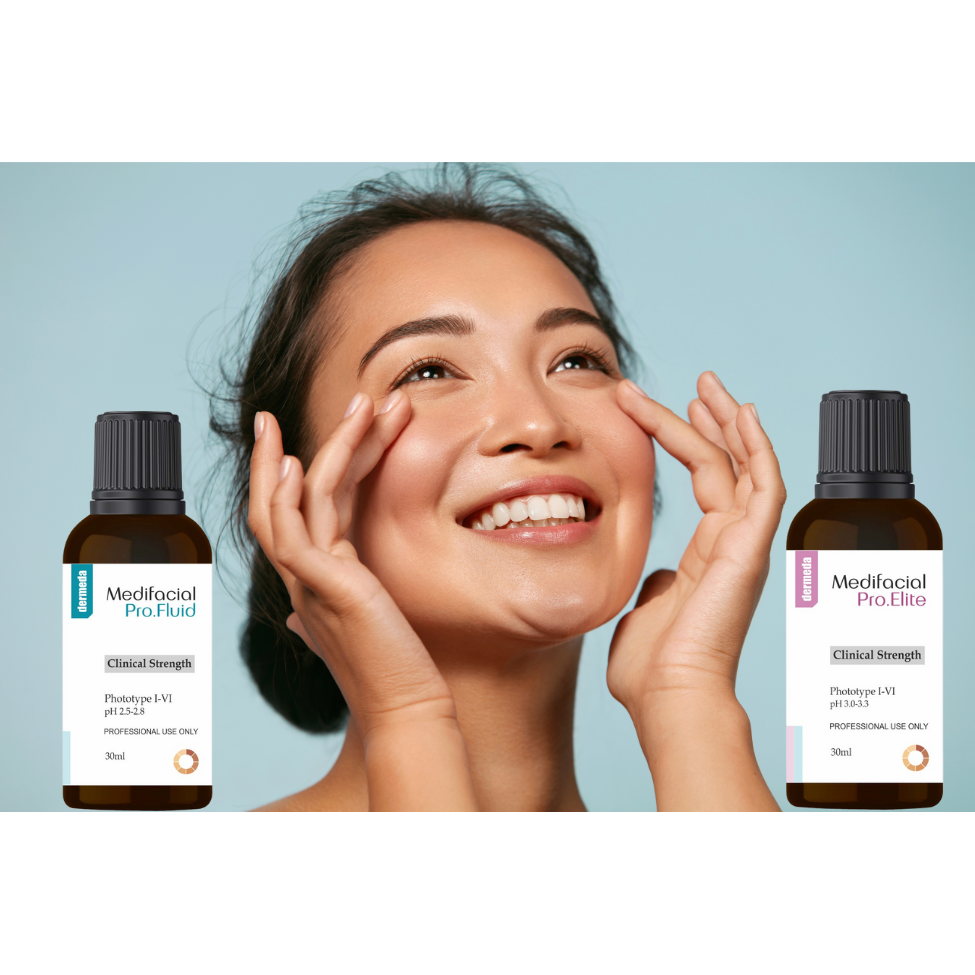
A significant advantage of advanced medifacials is the use of new-age formulations that work both on the surface and deeper layers of the skin. Dermeda Medifacial Pro.Elite, combined with its ProFluid Peeling Solution, is an example of a system that can be incorporated into professional protocols to deliver both instant glow and long-term brightening. These formulations are designed not only to enhance general radiance but also to target concerns like uneven tone, congestion, dullness, and mild pigmentation—making them suitable for routine maintenance as well as focused corrective care.
A Modern Alternative to Hydrodermabrasion
To make medifacials safer and more suitable for diverse Indian skin types, new treatment concepts have emerged. One such innovation is the “SpectraGlow” protocol, designed by Dr. Uday Shankar as a gentle yet effective alternative to device-based hydrodermabrasion treatments. SpectraGlow focuses on cleansing, exfoliation, hydration, and nutrient infusion—but uses controlled methods that minimise sensitivity while addressing common cosmetic concerns such as dullness, dehydration, early pigmentation, and textural irregularities. It offers a science-backed approach for those seeking Hydrafacial-like results without the aggressiveness or dependency on costly machines.
Types of Medifacials Commonly Offered
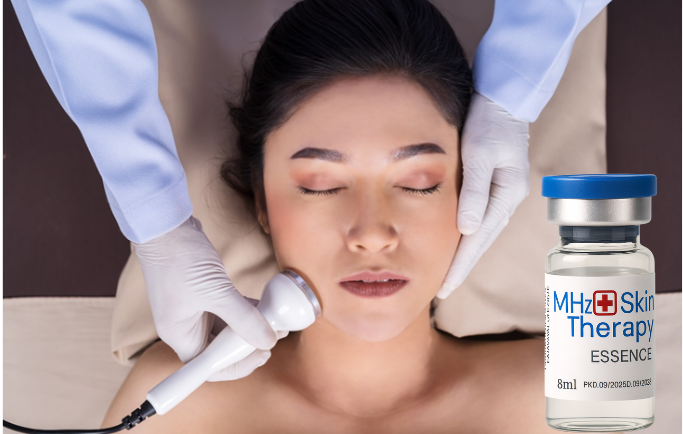
While every centre may have its own signature treatments, most professional setups offer combinations of :
- Water-based deep cleansing
- Oxygen infusion
- Vitamin or peptide boosters
- Collagen-enhancing therapies
- Cooling or anti-inflammatory steps
- Lymphatic massage for puffiness
- Barrier repair and moisturisation
The objective is to work from within the skin—not just on top of it.
How Often Should One Get a Medifacial?
Professionals typically recommend a 2–4 week interval, which aligns with the natural cellular turnover cycle. This ensures continuous renewal, deeper hydration, and preventive benefits.
Final Thoughts
Salon facials still hold value for relaxation and occasional pampering. However, medifacials provide scientifically backed care that improves skin at multiple levels—making them ideal for individuals with specific concerns or those seeking long-term skin health.
When choosing where to get a medifacial, always prioritise professional expertise, hygiene, and authenticity of products to ensure safe, effective results.